
Not everyone makes a purchase for the same reason.
One person may be looking for the cheapest option that will get the job done. Another is willing to spend more, but wants to know the investment will be worth it. Someone else cares most about working with the best person for the job. And another may choose something simply because they want that one.
Those are four completely different buying motivations. Yet businesses often speak to all of them as if they are the same, or assume the only difference between a budget buyer and a luxury buyer is how much money they have.
It isn’t.
Budget, value, premium, and luxury buyers aren’t necessarily different income brackets. They are different buying modes, shaped by what someone values, how important the purchase feels, how much risk they associate with it, and what they want the decision to say about them.
Understanding the difference matters because each buyer is looking for different information and responding to different signals. The message that makes a value buyer feel confident may do very little for a luxury buyer. The flexibility that appeals to a budget buyer may make a premium buyer question whether you are really the expert they want.
So, let’s get into the four types of buyers and what each one is actually looking for.
Buyer type #1: The budget buyer
The budget buyer wants the lowest-priced option that will still meet their basic needs.
Their primary question is: What’s the cheapest acceptable way to get what I need?
They compare prices, discounts, essential features, package inclusions, and what they can live without. They may be willing to sacrifice convenience, personalization, longevity, or a certain level of quality if it keeps the cost down.
Their biggest concern is paying more than they needed to.
That does not automatically mean they have very little money. A person can afford a more expensive flight and still book the cheapest one because getting from point A to point B is all they care about. They have decided that this particular purchase is not where they want to put more of their money.
Budget buyers are especially responsive to messaging around affordability, deals, savings, flexibility, and getting more for less. If your marketing consistently leads with your lowest price, discounts, smaller packages, or phrases like “something for every budget,” this is the buying mode you are most likely encouraging.
There is nothing inherently wrong with serving a budget buyer. The problem is accidentally building a brand for them while trying to sell a higher-investment offer.
Buyer type #2: The value buyer
The value buyer is willing to spend more, but they want to feel confident that what they receive will be worth what they spend.
Their primary question is: Will I get enough value from this investment?
They compare likely results, overall quality, expertise, longevity, usefulness, and return. Instead of automatically choosing the lowest number, they are looking at the relationship between the price and what they expect to gain from it.
Their biggest concern is spending money on something that does not deliver enough value.
The value buyer will often pay more when the reason is clear. They may choose the more expensive hotel because the location will save them hours of travel every day. They may pay more for a coat that will last for ten years instead of replacing a cheaper one every winter. They are not searching for the lowest cost. They are searching for the smartest use of their money.
This buyer responds to clear outcomes, relevant proof, meaningful differences, and explanations that help them understand why one option is worth more than another. They want substance. If you make a bigger claim, they want to see what supports it.
Value buyers are often ideal for established service providers because they are open to investing. But they need more than a polished aesthetic or a higher price tag. They need a clear reason to believe the investment makes sense.
Buyer type #3: The premium buyer
The premium buyer wants a higher level of quality, expertise, service, and certainty.
Their primary question is: Who do I trust to do this exceptionally well?
They compare skill, specialization, track record, process, attention to detail, personal fit, and the quality of the overall experience. They want the right person, not simply an acceptable person at a reasonable price.
Their biggest concern is choosing poorly, wasting their time, or having to pay someone else to fix it later.
Premium buyers still care about value, but they calculate it differently. They understand that expertise, careful thinking, stronger execution, and a smoother experience are valuable even when those things cannot be counted on a list of deliverables.
They may pay more for a hairstylist they completely trust, even when someone else offers the same technical service for half the price. What they are buying includes the confidence that they will be understood, taken care of, and happy with the result.
Premium buyers are often paying to reduce risk and friction. They do not want to manage every detail, second-guess the process, or wonder whether they chose the wrong person. Clear standards, a thoughtful process, specialized expertise, strong proof, and confident guidance all help them feel that they are in capable hands.
Buyer type #4: The luxury buyer
The luxury buyer wants the option they find most desirable.
Their primary question is: Which one do I want?
They are drawn to rarity, exclusivity, prestige, cultural relevance, identity, artistic vision, personal recognition, and emotional experience. The purchase may be useful, but usefulness is not the only point.
For the luxury buyer, wanting something is part of what makes it valuable.
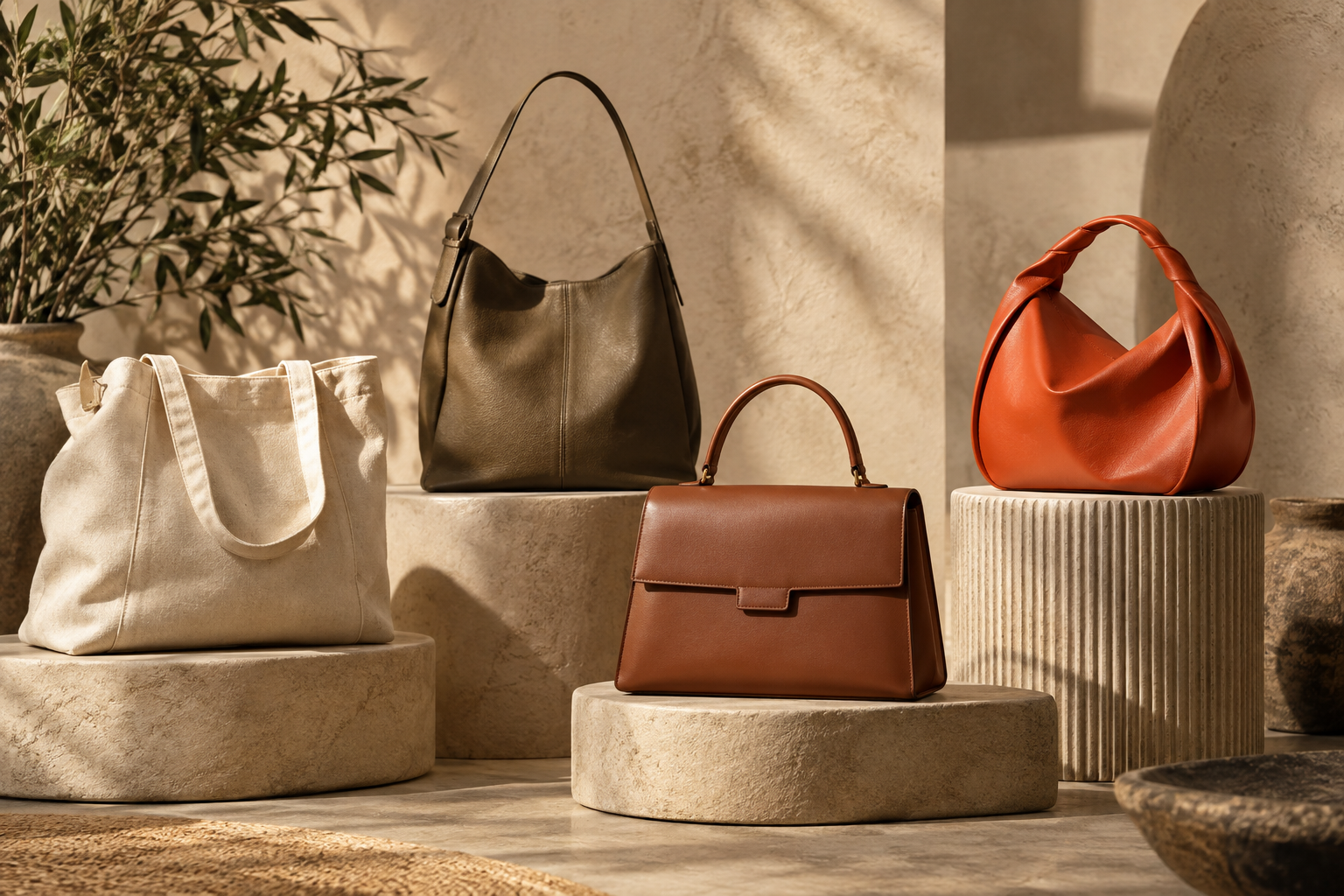
They may choose a particular handbag because of the designer, craftsmanship, heritage, scarcity, or what owning it means to them. A less expensive bag could perform the same practical function, but that comparison is largely irrelevant because practical function is not the only thing they are buying.
Luxury buyers are not always looking for “more.” More deliverables, more features, more access, and more bonuses can sometimes make an offer feel less luxurious rather than more. Luxury often depends on distinction, restraint, specificity, and the sense that this could not be easily replicated or made available to everyone.
This buyer is moved by desire more than justification. They want a distinct point of view, an exceptional experience, and something that feels meaningful to own or be part of.
Premium and luxury are not the same thing
Premium and luxury are often treated as synonyms, but there is an important difference between them.
A premium buyer pays more because they believe the quality, expertise, certainty, or experience will be better. The higher price is connected to a higher standard of performance.
A luxury buyer may care about exceptional quality too, but their decision also includes desire, identity, exclusivity, and emotional meaning. They are not only choosing what they believe will perform best. They are choosing the thing they feel most drawn to.
One way to think about it is this:
- The budget buyer wants an acceptable option for less.
- The value buyer wants the smartest return on their money.
- The premium buyer wants the best result with the least uncertainty.
- The luxury buyer wants something exceptional because they desire it.
The categories can overlap, and real people are rarely perfectly tidy. A premium buyer still wants value. A luxury buyer may demand extraordinary quality. But understanding the primary motivation tells you far more than labeling everyone who spends above a certain amount as “high-end.”
The same person can be all four types of buyer
Most people are not permanently budget, value, premium, or luxury buyers.
The same person might book the cheapest flight available, choose a hotel based on location and reviews, pay a premium for a hairstylist they trust, and buy a luxury handbag because they have wanted that exact one for years.
Their income did not change between those purchases. Their priorities did.
The buying mode may change based on how visible the purchase is, how emotionally significant it feels, how badly they want the result, what could go wrong, how much they trust themselves to evaluate the options, and whether they see the category as a necessity, an investment, or an expression of identity.
That is why “my audience can afford it” is not a complete strategy. Having the money available does not automatically make someone want to spend it with you. Your brand still has to give them the right reasons.
Which type of buyer is your brand attracting?
Every part of your brand gives people clues about how they should evaluate you.
If you lead with discounts, affordability, and how much is included, you are giving them a reason to compare cost. If you lead with outcomes, proof, and long-term usefulness, you are helping them evaluate value. If you demonstrate specialized expertise, strong standards, and a thoughtful experience, you are giving a premium buyer reasons to trust you. If your brand creates genuine desire through distinction, identity, rarity, or a singular creative point of view, you may begin to reach a luxury buyer.
Your pricing plays a role too. I often hear business owners say they do not want to share their prices because they are afraid someone will see the number and decide they cannot afford to work with them.
But if someone genuinely cannot afford your minimum investment, allowing them to disqualify themselves is part of the job. You do not need every person to believe your offer is financially accessible to them. You need the right buyer to understand why it is worth the investment and feel confident taking the next step.
The goal is not to pressure budget buyers into spending like luxury buyers. It is to decide who your offer is for, understand what that person values, and make sure your brand gives them the information and signals they need to choose you.
Is your brand attracting the right buyer?
If you want help making sure your brand is attracting the right buyer, let’s chat.
Together, we’ll clarify what makes your business worth choosing and build a brand and website that communicate that value to the people you actually want to work with.




LEAVE A COMMENT
Comments